

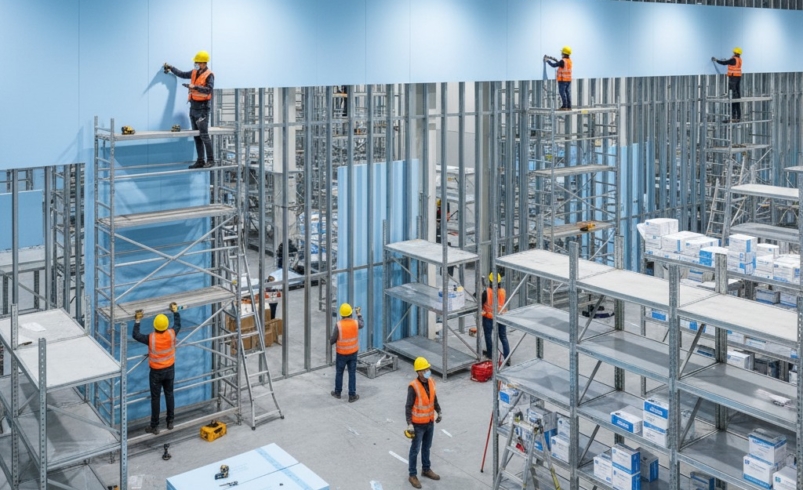

Insulation • Cold Storage • XPS Foam
Cold Storage Insulation — XPS Foam Solutions for Industrial Refrigeration
High-performance extruded polystyrene (XPS) insulation engineered to minimise thermal losses, resist moisture and withstand heavy compressive loads in industrial cold‑storage applications.
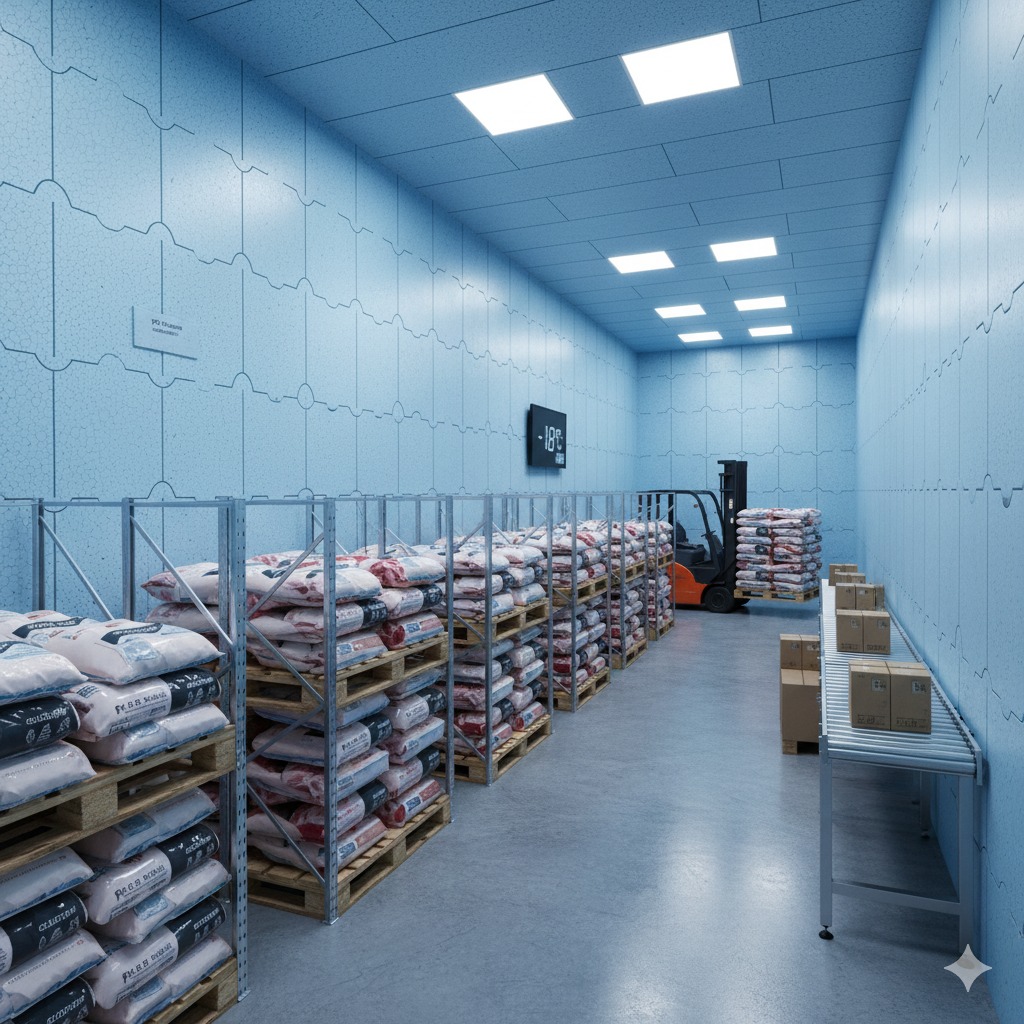
Why Proper Cold Storage Insulation Matters
Cold storage facilities are essential to food, agriculture and pharmaceutical supply chains. Even minor thermal leakage increases compressor runtime, consumes more electricity and risks product quality. Choosing the right insulation is therefore one of the most important design decisions for any refrigerated warehouse or freezing tunnel.
Key Performance Requirements
- Low thermal conductivity (λ) — minimises heat flow and reduces refrigeration load.
- Moisture & vapour resistance — prevents condensation, sweating and frost on internal surfaces.
- High compressive strength — supports pallet loads, forklifts and heavy equipment, especially for floors.
- Long-term durability — resists mould, chemicals and mechanical degradation over decades.
- Ease of installation — reduces construction time and lifecycle costs.
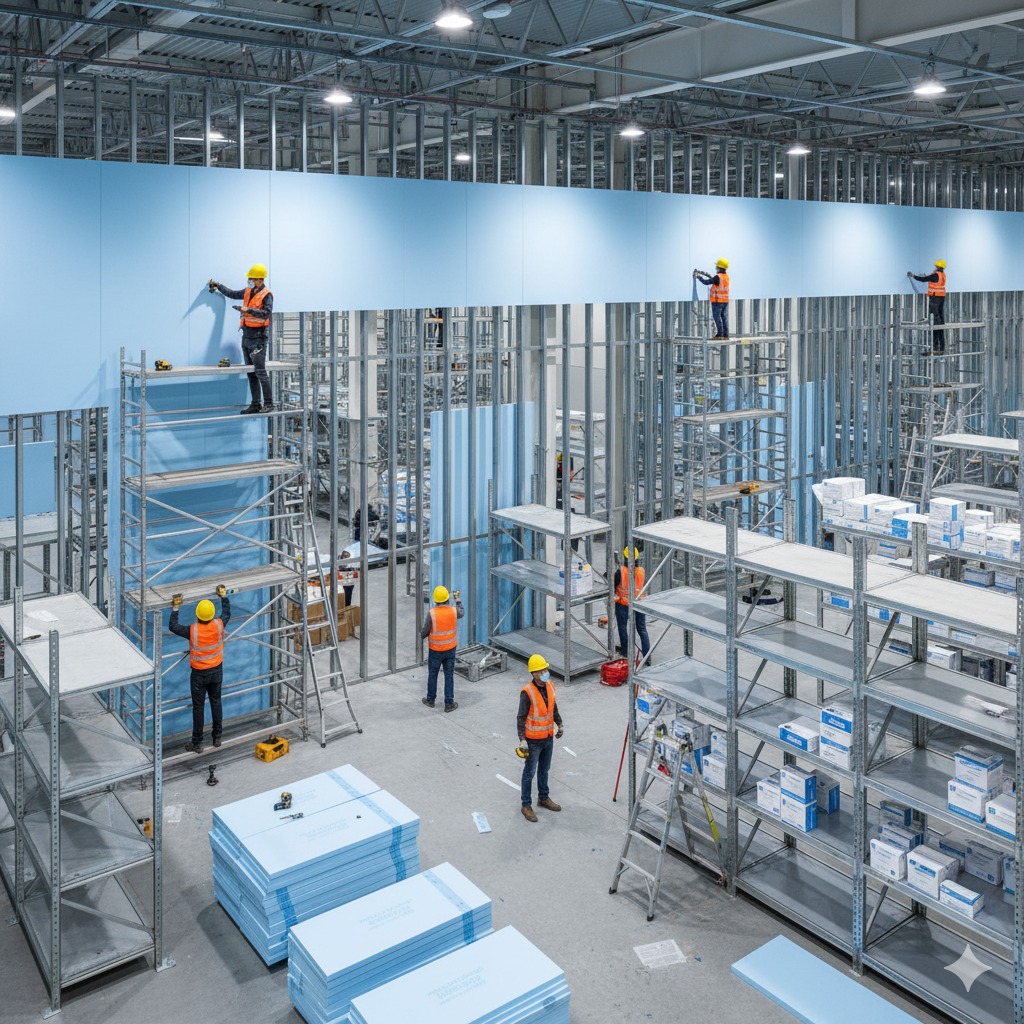
XPS Foam: The Best Choice for Cold Storage
Extruded polystyrene (XPS) features a closed-cell, homogeneous structure that delivers outstanding thermal and mechanical performance in refrigerated environments. Typical thermal conductivity is around 0.028 W/mK, depending on density and production parameters. This combination of low λ and high compressive strength makes XPS particularly well-suited for floors, walls and ceilings in industrial cold storage.
Common Applications
- Cold‑storage floors: High compressive strength prevents crushing under pallets and forklift traffic while blocking ground moisture and frost migration.
- Walls and ceilings: Reduce heat ingress and stabilise internal temperatures, lowering compressor runtime and energy costs.
- Freezing tunnels & pre‑cooling: Provide precise thermal control and prevent condensation and ice buildup.

Economic & Sustainability Benefits
Properly specified XPS insulation typically reduces compressor electricity consumption by an estimated 30–40% (project dependent), extends equipment life by lowering operating stress and cuts maintenance costs. XPS products are also recyclable, supporting circular economy initiatives.
Specification Highlights
- Thermal conductivity (λ): ~0.028 W/mK (typical)
- Service temperature range: Suitable for sub-zero refrigeration environments
- Design compressive strengths: Available in multiple grades for floor and wall applications
- Estimated service life: 30+ years (site- and environment-dependent)

How We Support Your Project
Elixir Pishbord provides project consultation, custom thickness production and nationwide delivery. We help specify correct panel thickness and density based on required R-value, load conditions and installation method.
FAQ
Q: Is XPS better than polyurethane for cold storage?
A: XPS offers superior moisture resistance and compressive strength in many cold‑storage floor and wall applications. Polyurethane may provide lower thermal conductivity per thickness but is often more sensitive to moisture and requires careful detailing.
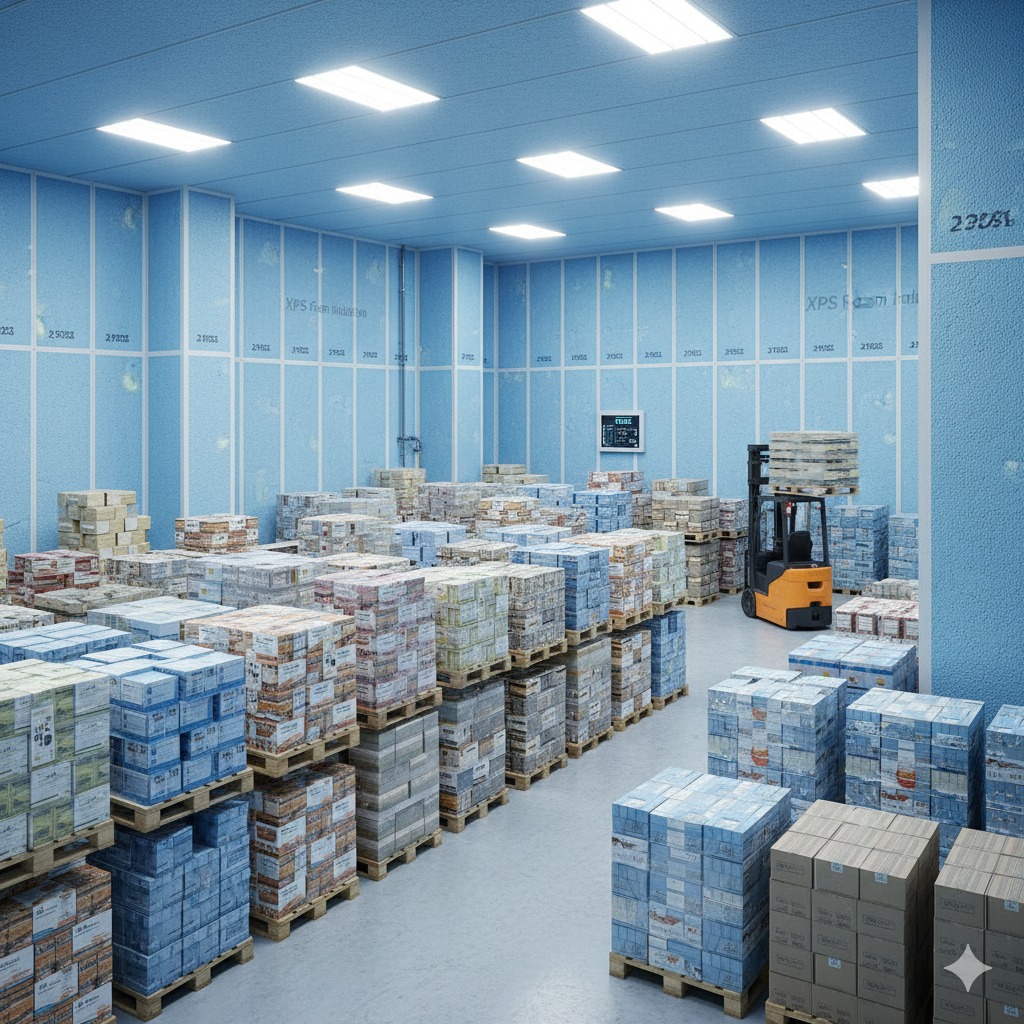
Q: How do I choose panel thickness?
A: Panel thickness depends on target R‑value, internal/external temperatures and structural loads. We provide engineering support to calculate the optimal thickness for each project.







What is your opinion about this article?