


-
اندازه متن
+
XPS Foam in Road and Bridge Construction: A Durable, Lightweight, and Cost-Effective Solution
Benefits of Using XPS Foam in Road and Bridge Projects
- Reduced embankment weight and pressure on foundations and bridges
- Excellent resistance to freeze-thaw cycles
- Near-zero water absorption and maintained thermal properties over time
- Increased durability and reduced need for periodic repairs
- Ease of installation and customizable cutting to project needs

Countries and Sample Projects
Norway and Sweden: Used as an insulating layer in road substructures to prevent soil freezing
Canada and the United States: In bridge and road construction in snowy regions to reduce cracking from freeze-thaw cycles
Japan: Suspension bridge and coastal road projects due to excellent moisture resistance
Germany and the UK: In highways and urban projects to increase pavement lifespan and reduce soil settlement
Technical Features and Thermal Resistance
- Thermal conductivity (λ): ≈0.033 W/m·K
- Water absorption: ≤0.3% by volume
- Compressive strength: 172–275 kPa
Practical Applications in Roads and Bridges
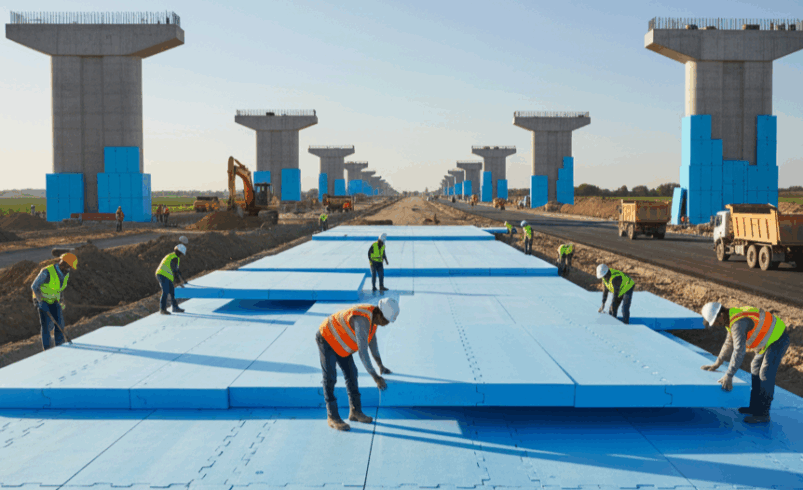
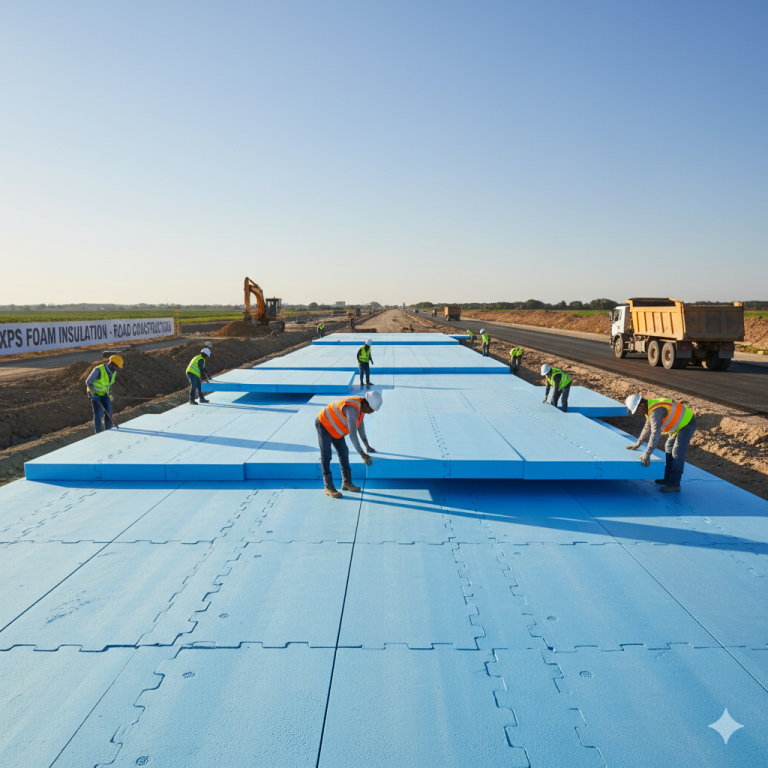
- Lightweight embankments: Replacing part of the soil with XPS blocks or sheets to reduce load on foundations
- Foundation protection against freezing: Placing an XPS layer between soil and road structure to prevent ice ingress
- Bridge and suspended road substructures: Reducing uneven settlement and increasing pavement durability
Economic Comparison with Traditional Methods
| Criteria | XPS Foam | Traditional Methods (Soil, EPS) |
|---|---|---|
| Initial cost | Higher but with long-term ROI | Lower but requires frequent maintenance |
| Durability | 50+ years | 20–25 years, needs repairs |
| Thermal resistance | 0.03–0.035 W/m·K | Low and decreases with moisture |
| Moisture resistance | Near-zero absorption | High, prone to freezing and damage |







What is your opinion about this article?